Kettle Cosy or Tea Cosy? How to Choose the Right Cover for Your Pot
A cosy is a small thing. It is also the difference between a second cup that tastes like the first and one that has gone tepid in the pot. The trouble is that shops use kettle cosy and tea cosy as if the words were interchangeable, and once you look at how each one is cut, they clearly are not. Buy the wrong one and you will spend every pour wrestling fabric away from a spout, or hunting for a handle that is buried underneath. The fix is straightforward: work out which vessel you are covering, then match the cover to it.
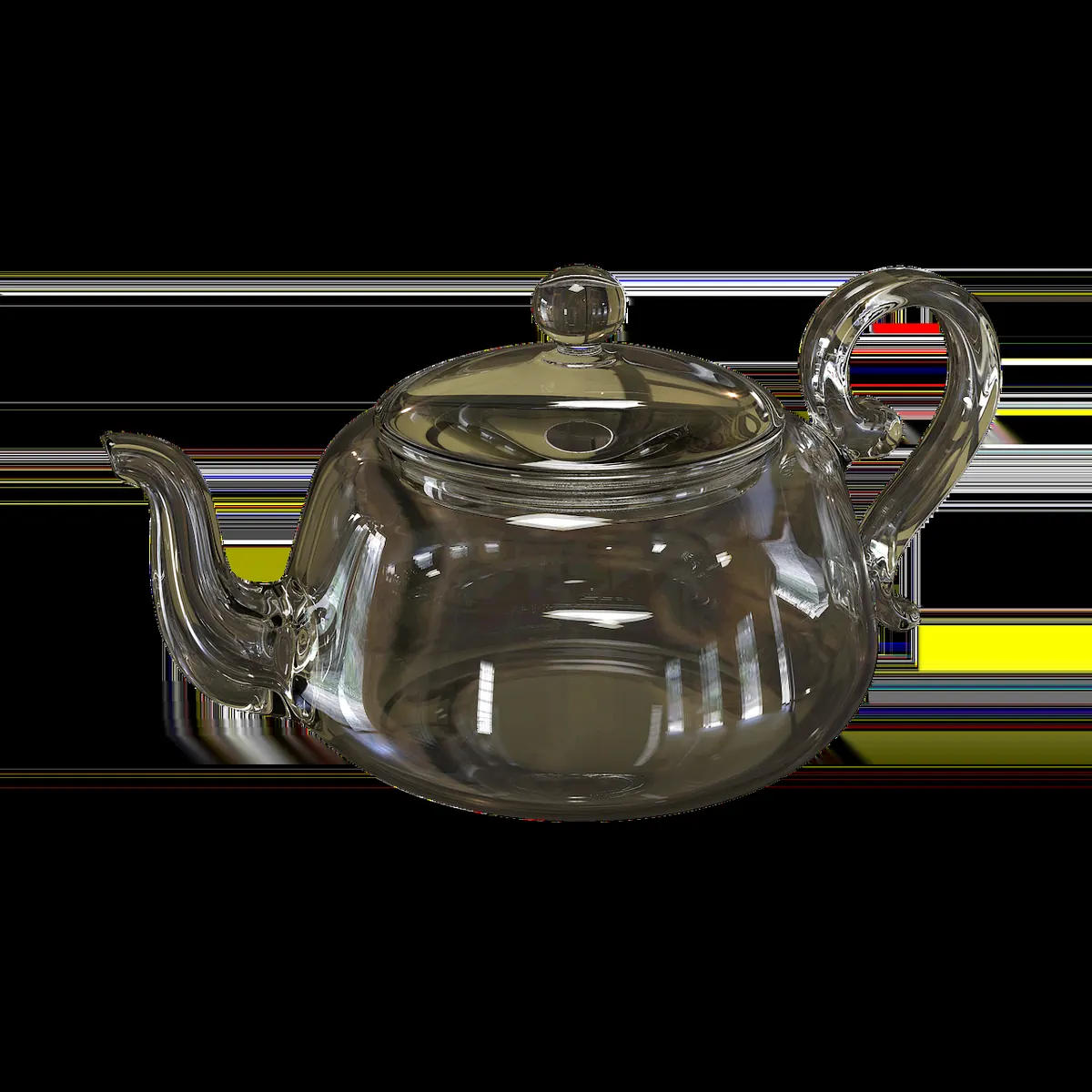
A Tea Cosy Is Cut Around a Teapot
A tea cosy exists to keep brewed tea hot while it sits on the table. That single job shapes everything about it. The cover has to wrap a pot that is usually widest in the middle, and it has to leave the spout and handle usable, because you will be pouring again in ten minutes.
Classic tea cosies come in two broad styles. The first is a pair of shaped panels joined at the top, with a gap on each side for the spout and the handle. The second is a single dome or bell that drops over the lid, with one slit for the spout and a drawstring or elasticated hem around the base. Both sit on the pot when the pot is off the heat — on a tray, a trolley or the kitchen table.
Consider a squat brown teapot and a tall stoneware pot side by side. A two-panel cosy that fits the first may sit halfway up the second, leaving the shoulders and lid exposed. A dome with a high crown may swamp the squat pot and hang loose at the base. That is why shape matters as much as circumference: the cosy needs to follow the pot's curve, not just stretch around it.
What to check before you buy one
- Is there a clear opening for the spout, and is it in the right place for your pot?
- Does the handle slot line up with your handle, or is the cosy symmetrical with no slot at all?
- Is there room for the lid knob, or does the cosy sit flat over the lid?
- Is the lining thick enough to hold warmth without making the full pot clumsy to lift?
A Kettle Cosy Covers the Thing That Boils Water
In the reading most modern sellers use, a kettle cosy is meant for the kettle itself — the vessel that heats water, whether it stands on a hob or plugs into the wall. Its job is different. It is not protecting a brew; it is slowing the heat loss from water you have already boiled, so the next cup does not mean a full re-boil.
Kettle cosies therefore look different. They tend to be sleeves, wraps or jackets rather than fitted domes. There is usually no spout hole, because a spout does not need the same clearance as a teapot's; instead you will find an open base, a long vertical slit, or a wrap that fastens with buttons, ties or hook-and-loop tape. Many leave the handle completely exposed and simply hug the body.
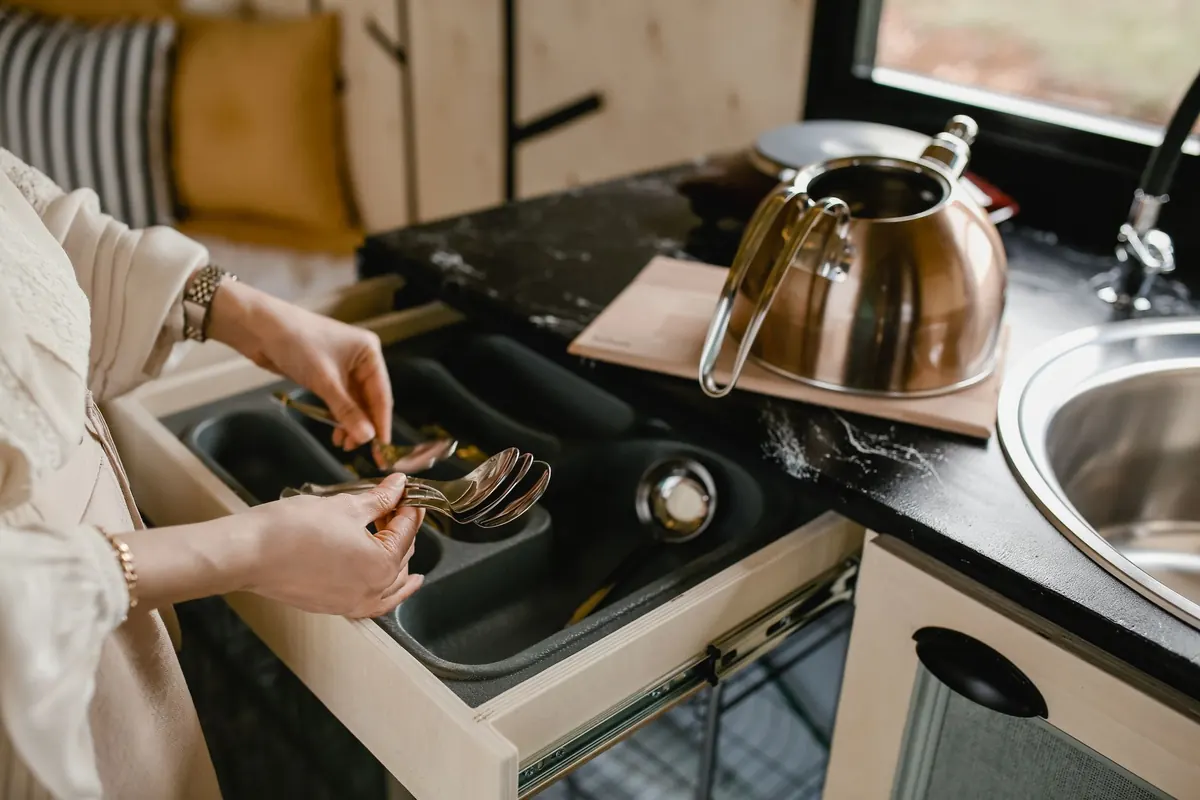
A traditional stovetop kettle with a curved handle and a short whistle spout may take a wrap that ties at the front and leaves both the handle and whistle clear. An electric kettle with a concealed element and a side water gauge needs a sleeve that covers the body but stops below the switch and vent. In both cases, the cosy is doing the same work: keeping the water hot enough that a second cup brews without boiling the kettle again.
The naming trap worth knowing about
In Ireland and parts of the UK, "kettle cosy" is commonly used for what other regions call a tea cosy — the cover for a teapot. Shopping from a description alone, this is the most common source of a disappointing delivery. Ask the seller for two numbers and one photo: the height, the widest circumference, and an image of the openings. It takes a minute and saves the return postage.
Rule of thumb: If the cover has a spout hole, it is almost certainly a tea cosy. If it is a sleeve with an open base, it is almost certainly a kettle cosy.
Measure First, Browse Second
A cosy two centimetres too small will not go on. One that is five centimetres too roomy will slide about and lose warmth. Take five minutes with a soft tape measure before you look at a single pattern.
- Measure the height from the surface the pot stands on to the top of the lid knob.
- Measure the circumference at the widest point of the body, usually just above the middle.
- Measure the base circumference, since many cosies are gathered or tied there.
- Note where the handle and spout sit: high or low, straight out or angled up, and how much room each needs.
- Measure the lid knob if the cosy has to sit over it.
- On an electric kettle, note the switch, the water gauge and any steam vent. Nothing should cover them.
- If the yarn is untreated wool and you plan to wash it warm, allow for a little shrinkage.
Add a centimetre or two of ease for woven fabric, less for a knitted cosy that will stretch. If your measurement falls between two sizes, take the larger for a wrap and the smaller for a stretchy knit.
Insulation: Fit Matters More Than Thickness
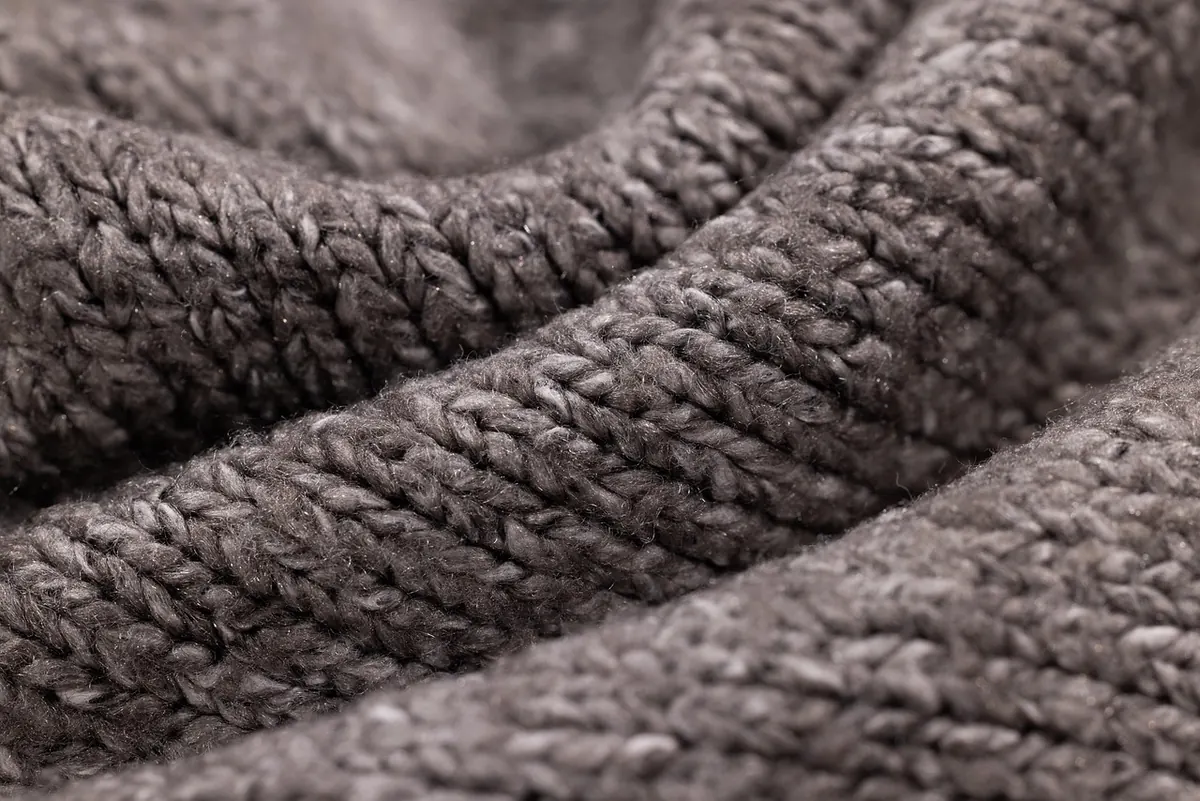
Warmth is trapped air, not weight. A thick wool cosy with a soft lining holds a layer of still air next to the pot, which is exactly what you want. A quilted cotton cover with a fleece inner layer does much the same and washes more easily. A double-knit acrylic blend keeps its shape on a busy kitchen counter and dries quickly, though it may not hold heat quite as long as wool.
Fit still wins. A thin cosy that sits snugly around the body will outperform a bulky one that hangs loose at the base. Look for a lining that lies flat against the pot, a hem that can be drawn in, and no openings larger than the spout and handle need. For an electric kettle, a wrap that covers the body but leaves the switch, gauge and steam vent clear is usually the best compromise.
Choose wool or a wool-rich blend if you brew in a cold room or make tea for a crowd. Choose quilted cotton with a synthetic lining if you wash the cosy often or if it lives near a stove where splashes are common. Both work; they simply ask different things of you.
Fastenings, Openings and Everyday Handling
Small design details decide whether a cosy gets used or pushed to the back of the cupboard. A cover that must be lifted off with both hands while the pot is full is less likely to be replaced than one that opens with a single tie or a button flap.
- Drawstring hems suit dome tea cosies and round pots, but the cord should be easy to reach and not dangle into the tea.
- Buttons or hook-and-loop tape work well on kettle wraps and make the cover quick to remove before pouring or boiling.
- Vertical slits can be useful on kettle sleeves, but they should not line up with a switch or gauge.
- Elasticated bases stay put on a teapot but can be awkward on an electric kettle with a wide base.
- Thumb loops or side tabs sound fussy until you try to pull a hot cosy off a full pot; they make a real difference.
A Quick Decision Path
- If you are covering a teapot, buy a tea cosy with clear spout and handle openings.
- If you are covering a kettle, buy a kettle cosy, sleeve or wrap with no spout hole and clear access to the switch and vent.
- If the seller calls it a kettle cosy but the photo shows a spout hole, treat it as a tea cosy and check the measurements.
- Measure height, widest circumference and base before you choose a size.
- Pick the fabric by how you will clean it and how often you will use it, then let fit decide the rest.
Get those things right and the cosy disappears into the routine. The pot stays hot, the handle stays findable, and the second cup tastes like it should.
Photo: Engin_Akyurt / Pixabay