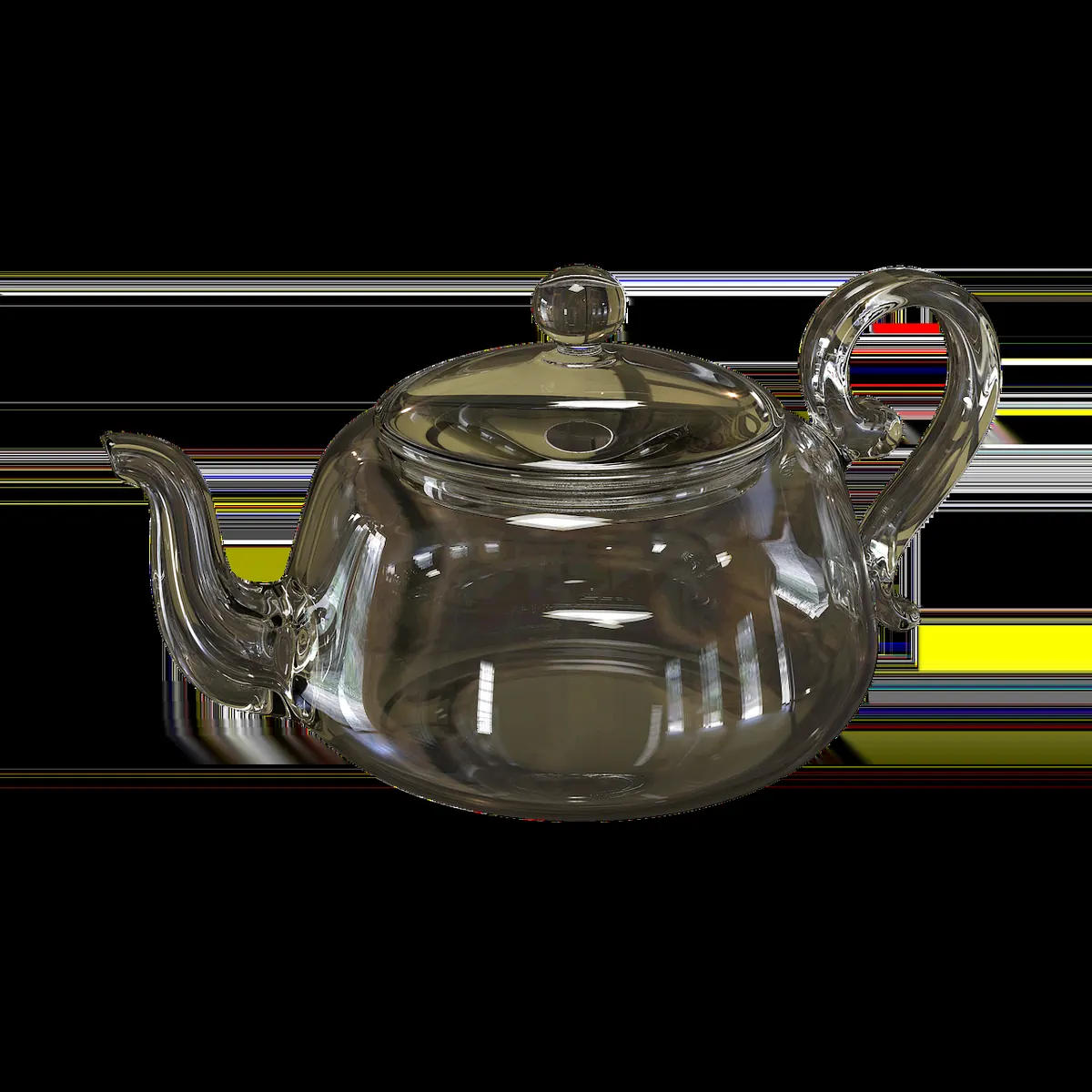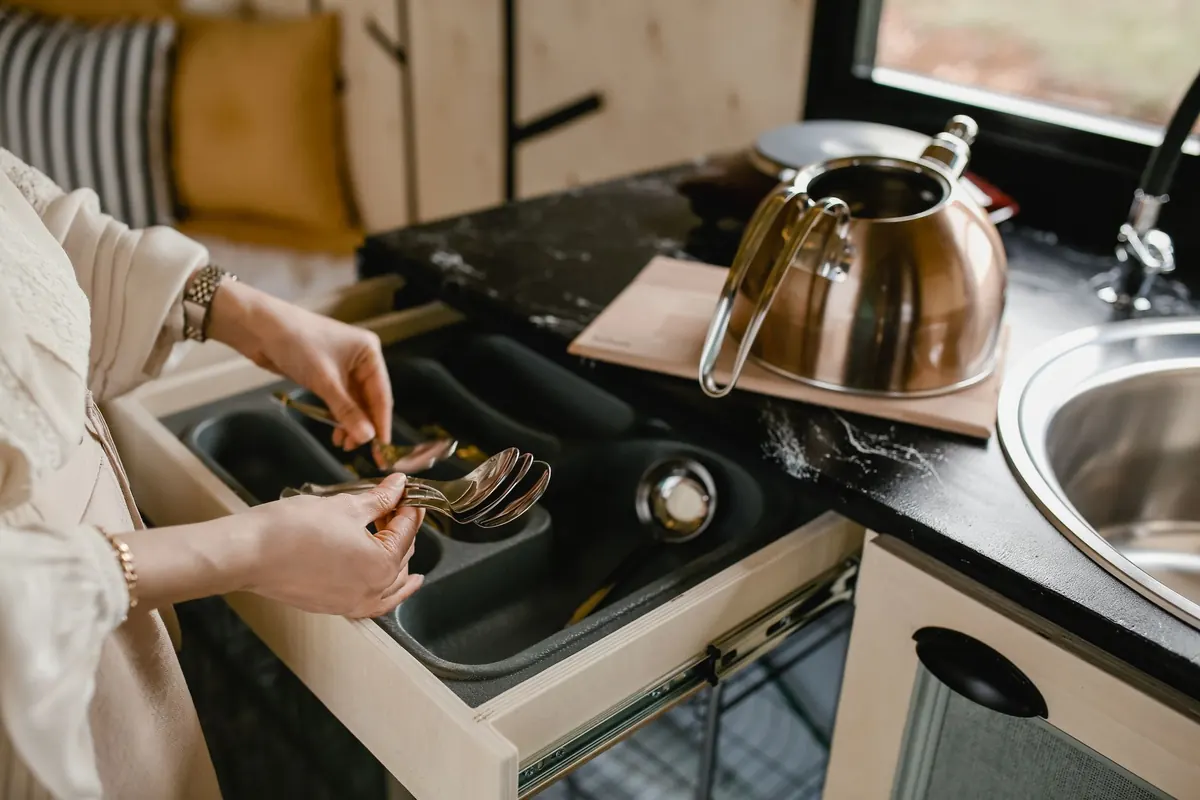
A vintage kettle can be the best thing in a kitchen: heavy in the hand, warm in colour, shaped by people who expected it to last forty years. Buying one online is a different experience entirely. You are choosing from four photographs, two paragraphs of description, and whatever the seller happens to mention when you ask.
Most disappointing kettle purchases do not come from outright deceit. They come from gaps — the base nobody photographed, the lid that arrived from a different model, the rust that only shows when the kettle is tipped toward a window. Avoid these seven mistakes and you will skip most of the heartbreak.
1. Taking the Listing Photos at Face Value
Kettle listings are often styled, and styling hides information. A single three-quarter shot against a dark background tells you the shape and roughly the colour. It tells you nothing about the base, the inside of the spout, the rim under the lid, or how deep the dents actually are.
Ask for daylight photos from four sides, straight on, plus close-ups of the base, the interior, the spout lip and the underside of the lid. A ruler or a mug in one shot gives you scale; listings routinely get the size wrong, and a "large copper kettle" can turn out to be a decorative miniature.
Be wary of heavy saturation, which makes dull patina look jewel-bright, and of soft focus around the rim and spout — exactly where damage hides. If the same photos appear in several listings from different sellers, walk away.
2. Missing Rust Where Nobody Thinks to Look
Rust rarely announces itself on the outside of a kettle. It starts at the edges: a chipped rim, a worn spot on the spout lip, a crack in the enamel near the handle mount. Once water gets under enamel, it creeps sideways and lifts flakes from the inside out. What looks like a small chip in a photo can be a spreading bloom in your hands.
On copper, watch for green verdigris packed around seams and rivets; a little is cosmetic, a lot suggests years of damp storage. On cast iron, ask about pitting and heavy scale inside. On tin-lined copper, ask whether the lining is intact or worn through to the copper beneath.
Rust does not always rule out a purchase. Surface rust on a cast iron kettle can be cleaned and seasoned. Rust under enamel, or a hole in the base, cannot be fixed at home.
If a seller cannot photograph the inside of the spout, treat the inside of the spout as unknown.
3. Assuming the Lid Belongs to the Kettle
Lids get lost, and sellers substitute whatever fits approximately. A mismatched lid usually shows itself in small ways: a different patina, a slightly different metal, a knob that doesn't match the handle, or a lid that sits proud of the rim. Worse, it may wobble, drop off mid-pour, or let steam escape from the wrong place.
Ask directly whether the lid is original, and whether it sits flush with the rim when closed. A gap of a few millimetres is normal on older pieces; a lid that rocks is not. The same care applies to replaced handles, modern screws on a nineteenth-century body, and "restored" kettles. Restoration is not automatically bad, but you deserve to know what was done and with what — paint, filler and epoxy all behave differently once heat is involved.
4. Not Asking Enough Before You Pay
Good sellers answer specific questions well. Vague answers, or none, tell you plenty. Send these before you commit:
- Could you send daylight photos of the base, the interior, the spout lip and the underside of the lid?
- Is the lid original to this kettle, and does it sit flush?
- Has it held water recently, and did anything weep or leak?
- Are there chips, cracks, dents or repairs that aren't visible in the listing photos?
- What are the exact height, base diameter and weight?
- Has anything been replaced — handle, knob, screws, cord, gasket?
- How will it be packed, and is shipping insured?
- What happens if it arrives damaged or not as described?
Ask about smell, too. Kettles stored in damp sheds or used for decades of coal-fired water carry it, and a musty interior is difficult to shift.
5. Buying a User When You Wanted a Display Piece
Decide first what the kettle is for. As a display piece, a hairline crack in the enamel or a replaced handle matters little. As a working kettle, function is everything: it should sit flat without rocking, pour without dribbling down the side, and keep its lid on while tipped. Check that the handle stays reasonably cool and that any wooden parts are sound rather than crumbling.
Vintage electric kettles deserve particular caution. Frayed cords, perished insulation and old element connections are common, so have anything electrical inspected by a qualified electrician before it goes near a socket. If you plan to drink from an old kettle and you are unsure about its interior coating or any solder used in repairs, ask someone qualified rather than guessing — it is a small question with a real answer.
6. Ignoring Packing, Returns and Seller Signals
Kettles are awkward parcels: heavy, round, with a handle that wants to snap and a spout that wants to bend. Ask how it will be packed. The right answer mentions the handle being supported, the spout protected, the body wrapped separately from the lid, and a double box with padding between the layers. The wrong answer is "don't worry, I pack everything well."
Confirm insurance and tracking, and read the return policy before paying, not after. Then look at the seller's wider behaviour. Do they specialise in housewares, or are they clearing a loft? Do they volunteer flaws you hadn't spotted? A seller who writes "there's a dent on the left side you can see in photo four" is usually a seller you can trust with the rest.
A Calm Way to Buy
Save the listing. Ask your questions. Wait a day. Compare two or three kettles side by side rather than falling for the first one with good light, and expect the best find to be the third one you look at, not the first. When the answers come back detailed and unhurried, and the photos show the parts most sellers avoid, you can buy with confidence — and end up with a kettle that earns its place on the hob or the shelf for another few decades.
Photo: bogitw / Pixabay