Shop for a designer kettle and the language turns technical fast. Brushed stainless, vitreous enamel, concealed element, rapid-boil, 360-degree base. None of it is complicated, but those words are doing more work than they let on. Some describe how a kettle will look after two years of daily use. Others describe how quickly it heats, how it feels in the hand, or whether it will work on the hob you already own. Here is a plain-English translation of the vocabulary you meet on the box, so you can tell the difference between a feature you will appreciate every morning and one that is just padding.
The Body: Materials That Decide Weight, Heat and Longevity
The body is the kettle's most expensive part and the one you will look at every day. Four materials dominate the designer end of the market.
Stainless steel
The default for electric kettles, and for good reason. It is durable, food-safe, does not absorb flavours and resists corrosion. Grades such as 18/10 refer to the chromium and nickel content, and a higher nickel share generally means better resistance to staining. The word missing from most descriptions is gauge — the thickness of the steel. Thicker walls feel more substantial and hold heat slightly better; thin walls on a cheap kettle often sit behind a plastic shell, which is why the thing rattles when it boils.
Enamel
Vitreous enamel is powdered glass fused to steel at high temperature. It gives rich, saturated colour that does not fade and a glassy surface that wipes clean easily. Treat it like a ceramic mug: it will survive hot water happily, but a knock against a hard edge can chip it, and a chip exposes the steel underneath. If you want a bold colour that still looks the same in five years, enamel is a strong choice.
Powder coat
Powder coating is a sprayed polymer cured under heat. It produces a soft matte or satin finish and can be tinted to almost any shade, which is why it shows up on so many design-led kettles. It is warmer to the touch than bare metal and hides fingerprints better than gloss, but it can scuff, and abrasive sponges will dull it. Warm soapy water and a microfibre cloth are enough.
Glass, copper and cast iron
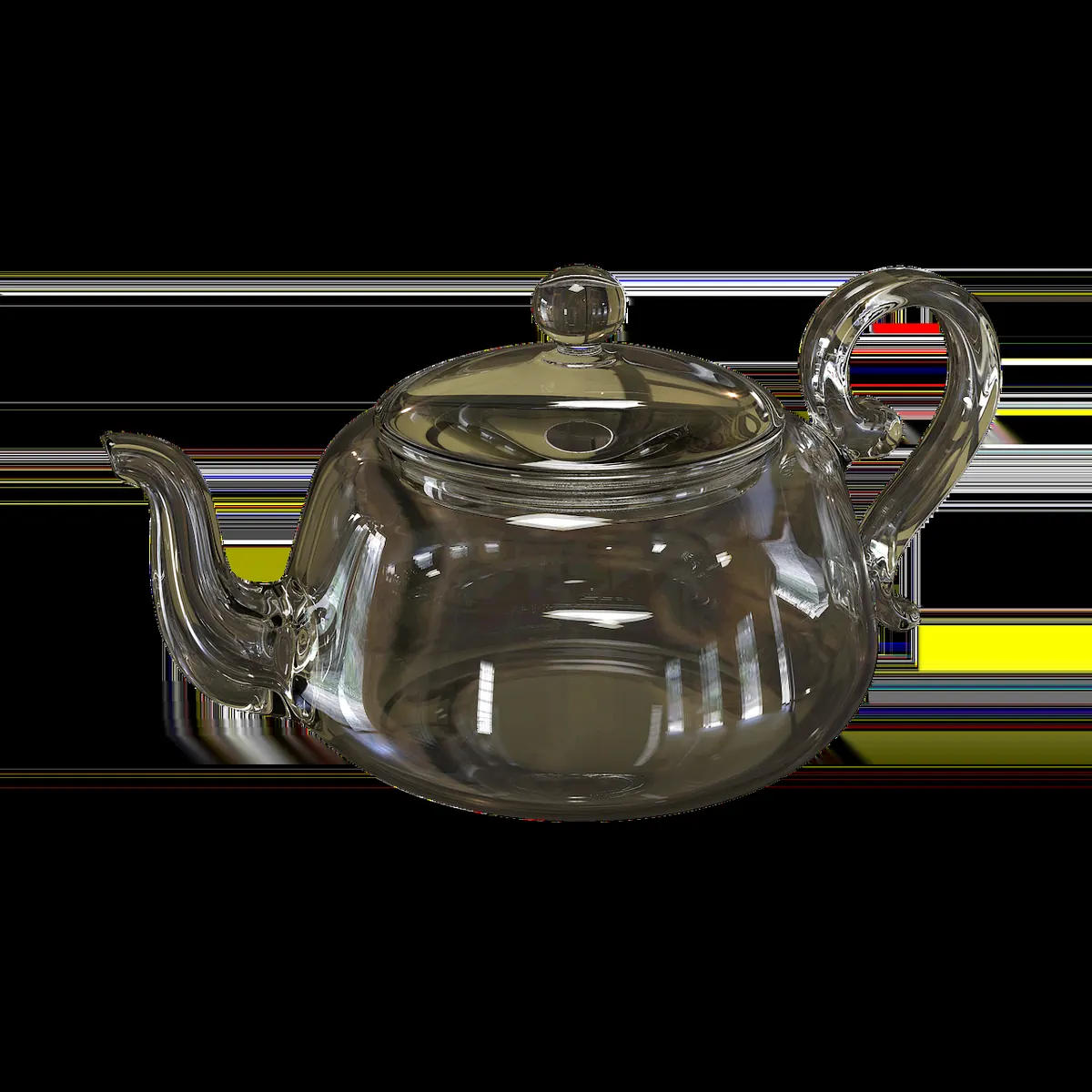
A glass body lets you watch the water come to a boil, which is genuinely useful when you are aiming for a specific temperature. The weak points are the base seam and the lid. Copper and cast iron belong to stovetop kettles: both hold heat beautifully, both are heavy, and both ask for care. Copper tarnishes and wants polishing; cast iron will rust if it is stored wet.
Finishes: What the Colour Swatch Is Really Telling You
Two kettles can use identical steel and feel completely different in the hand, because the finish changes both the look and the maintenance routine.
- Brushed stainless. A fine directional grain that scatters light. It hides fingerprints and small scratches well, which makes it the most forgiving bare-metal finish. It will show water spots, so dry it after use if that bothers you.
- Mirror polish. Bright, reflective and striking on a counter. It also shows every smudge, dribble and paw print. Lovely in a quiet kitchen; tiring in a busy one.
- Matte or satin. Low sheen, smooth to the touch and quietly contemporary. Slightly harder to wipe clean than gloss because water can cling.
- PVD coatings. A thin, hard film used to create copper, gold, brass and black metallics on stainless steel. The colour is more durable than paint, but abrasive cleaners can still mark it.
- Two-tone and accent bands. Usually a practical design choice rather than a decorative one, separating a hot zone from a cool one or hiding a seam.
Handles and Spouts: Decoding "Stay-Cool"
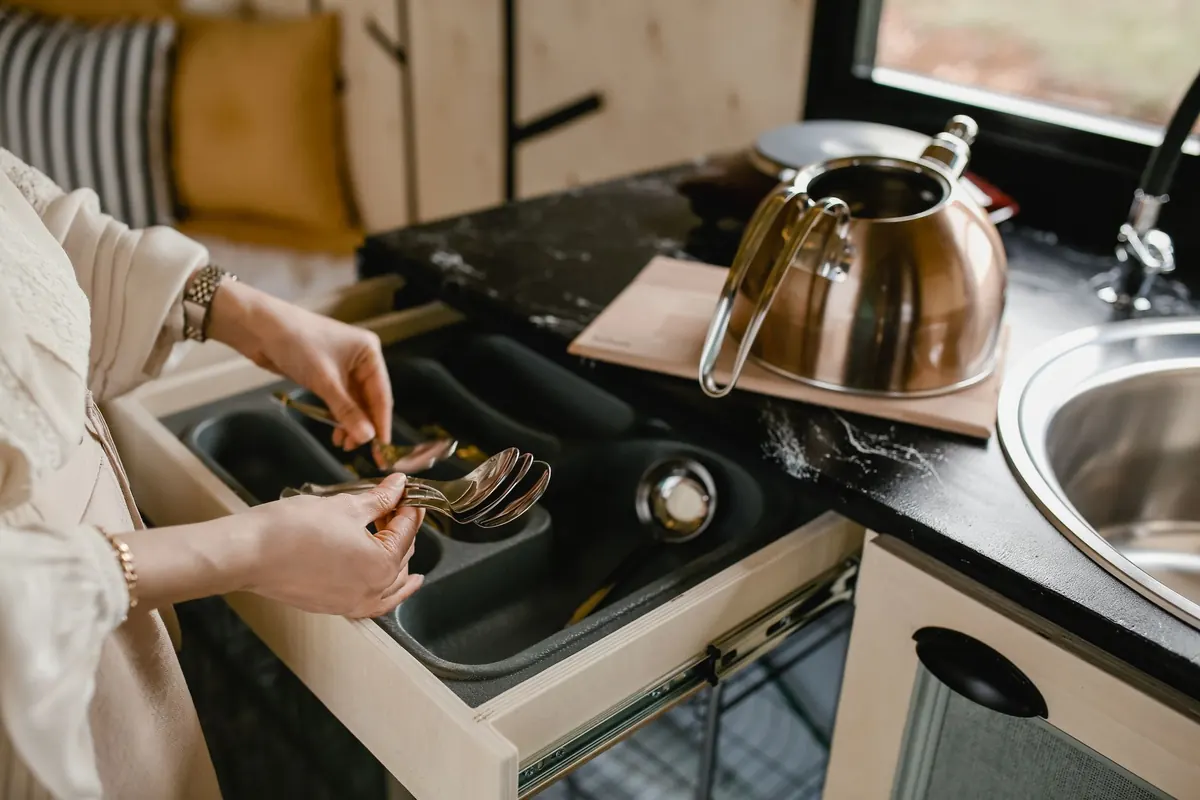
A stay-cool handle means the handle remains comfortable to hold while the kettle is boiling and shortly after. It is achieved with plastic, silicone, wood or a cleverly shaped stainless handle with an air gap between it and the body. It does not mean the handle is cold. On stovetop kettles, be sceptical of a hollow metal handle — it can still warm up over a long boil. Cool-touch usually refers to the outer wall of a double-walled electric kettle, which stays warm rather than hot while the water inside boils.
Spouts matter more than most buyers expect. A gooseneck pours slowly and precisely, which is why it is everywhere in pour-over coffee. A short, wide spout pours fast and suits filling a teapot or a pan. A stovetop whistle is simply a cap that sounds as steam escapes. Also look for a removable limescale filter at the spout and a lid that opens with a button rather than needing two hands.
Rapid-Boil, Wattage and Base Compatibility
Rapid-boil has no fixed definition. It is a marketing phrase, and what sits behind it is wattage, element design and how much water you are heating. More wattage generally means a faster boil, up to the limit of your socket and circuit. In North America, a standard 120-volt kitchen outlet generally supports kettles up to around 1500 watts; in 230-volt markets, kettles are commonly more powerful. Two litres will always take longer than half a litre, so check the minimum fill line before assuming a kettle can boil a single mug quickly.
A concealed element sits beneath the floor of the kettle rather than inside the water. It is easier to wipe clean, quieter, and keeps scale off a visible coil. A cordless 360-degree base lets you set the kettle down at any angle and often includes cord storage. For stovetop models, induction-compatible means the base contains magnetic metal — test a candidate with a fridge magnet before buying, because plenty of stainless kettles are not induction-ready.
The Feature List, Translated
- Variable temperature. Lets you choose 70°C for green tea or 100°C for a rolling boil, instead of guessing.
- Keep-warm. Holds a set temperature for a period after boiling. Useful if you drink tea slowly through the morning.
- Boil-dry protection. Cuts power if the kettle runs without water. One of the few features worth insisting on.
- Auto shut-off. Switches off once the water boils. Standard now, but confirm it is there.
- Water window. An external gauge showing the fill level, so you are not lifting the lid to check.
- Double wall. Insulates the water and keeps the exterior cooler to the touch.
- Quiet boil. Usually a padded base or a slower element. It reduces noise rather than eliminating it.
How to Read a Product Page in Two Minutes
Start with compatibility: does the base work on your hob or your counter, and does the wattage suit your sockets? Then capacity — a 1.7-litre kettle is generous for a household, excessive for one person who boils a single mug. Next, handle and lid, because you use them every day; a stiff lid becomes an irritation by week two. Finish comes last, and the right answer is the one you will actually maintain. In a hard-water area, a concealed element and a removable filter will save you more scrubbing than any coating will.
Spend your money on the heating element, the base and the handle first, and on the colour second. A beautiful kettle that pours badly or scalds your knuckles stops being beautiful fairly quickly.
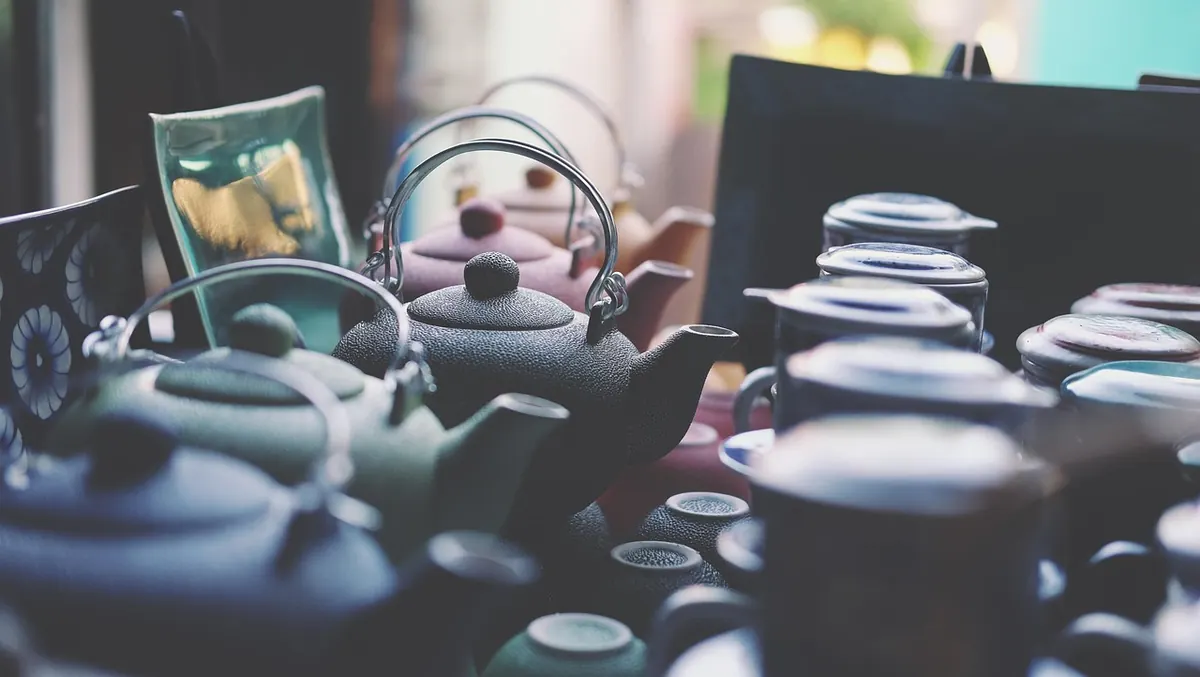
Photo: Pexels / Pixabay