A kettle is the most-used object in many kitchens and the one most people replace without much thought. Designer kettles under $150 are where that changes: at this level, form and function genuinely meet, and you can buy something you enjoy looking at without paying purely for a name. But the gap between a $35 kettle and a $140 kettle isn't one big jump. It happens in stages, and each stage solves a different annoyance.
Why $150 Is the Interesting Ceiling
At $150 you are not buying hand-hammered copper or a laboratory-grade heating system. You are buying a well-made small appliance: a reliable thermostat, a body that doesn't flex when it's full, and a lid that seals. Above that price you mostly pay for rarity, brand heritage or narrow specialisation. Below it, you start making trade-offs you'll notice every morning.
The useful way to think about the three tiers isn't better-to-worse. It's fewer compromises to fewer compromises, with each step up removing one specific irritation.
The Budget Tier: Under $50
This is where most kettles are sold, and they aren't junk. They boil water and they shut off. What you give up is refinement and long-term durability.
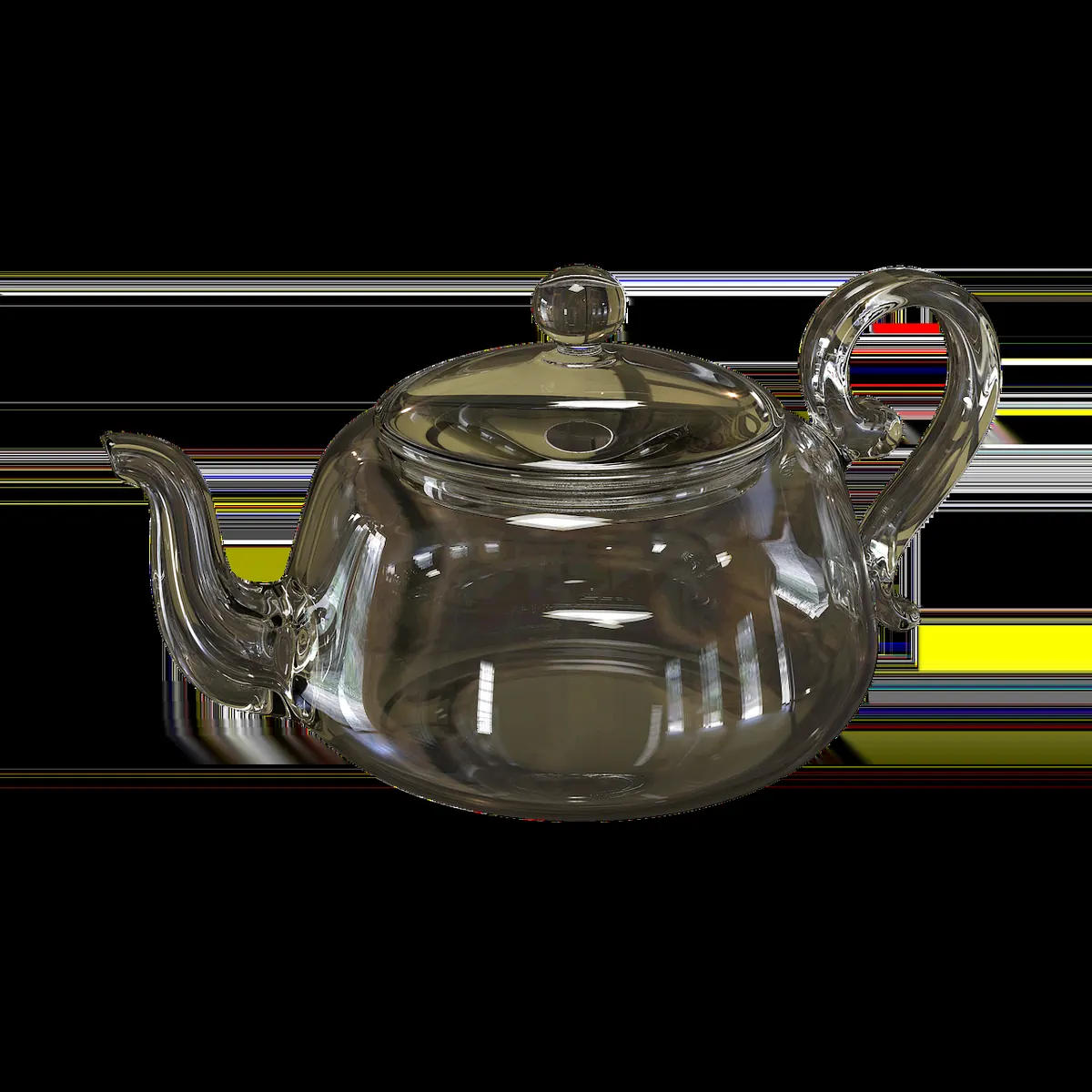
Expect a thin stamped stainless body, a plastic lid and handle, and a plastic water window. Glass kettles with a stainless base live here too, and they look far more expensive than they are; the trade-off is weight and a rim that chips if you're clumsy at the sink. The savings come from the thermostat, the finish, the cord and the seal around the lid.
What to check before you buy:
- Inside, not outside. Look for plastic in the water path, especially a plastic window insert or an exposed element housing.
- Wall gauge. Press the side with a thumb. If it flexes easily, expect rattles and a hot exterior.
- The base. A 360-degree cordless base is worth having even here. A fixed cord is a daily annoyance.
- The filter. A removable limescale mesh filter costs the maker almost nothing. If it's missing, you'll be descaling more often.
The Mid-Range: Roughly $50 to $100
For most kitchens, this is the sweet spot, and the improvements are mostly invisible. You get a heavier-gauge body, a concealed element under a flat stainless floor, a controller from an established maker, and a lid that opens with a button and actually seals. Cleaning gets easier because there's no exposed coil to scrub around.
Boil times improve modestly. Wattage matters more than price here: in North America most cordless kettles draw around 1500 watts, while 240-volt markets commonly use 3000-watt elements, which is why the same mug of water boils noticeably faster in the UK than in the US.
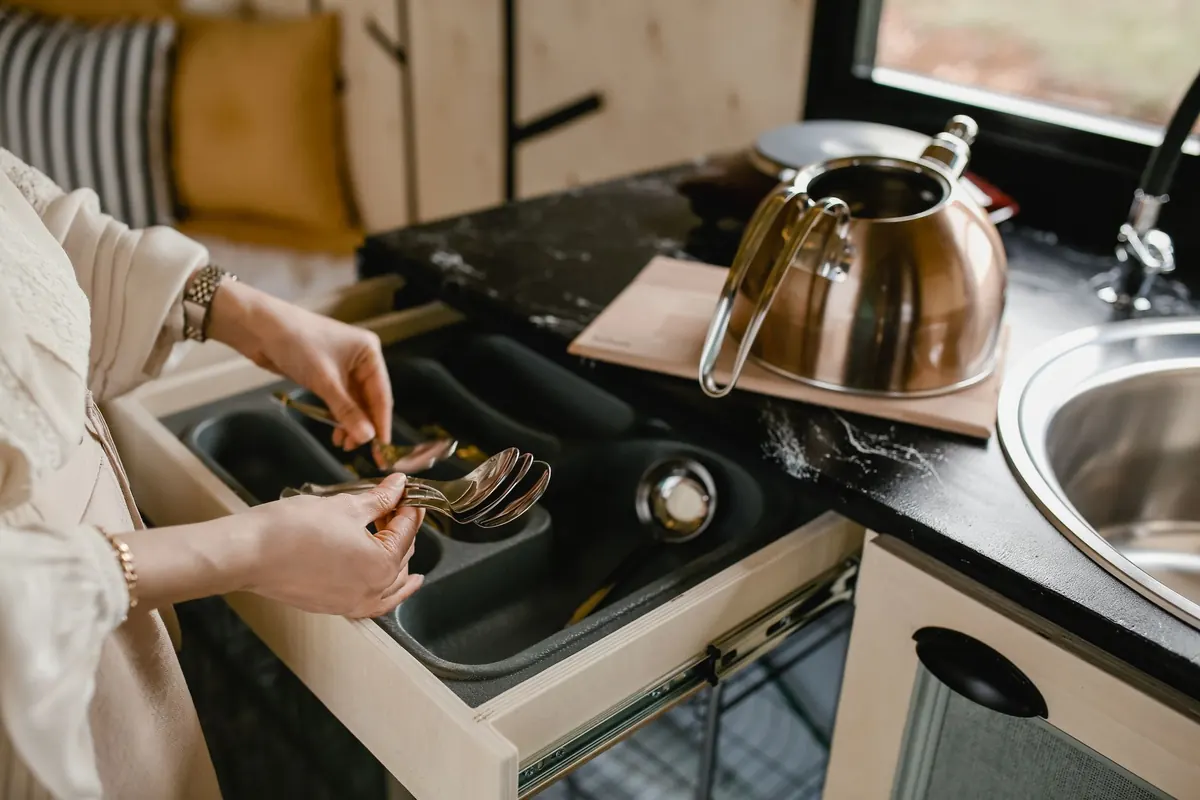
Variable temperature starts appearing at the top of this band, usually as a few presets rather than fine control. Accuracy is typically within a handful of degrees, which is fine for tea and less useful if you're chasing a precise coffee recipe. This is also where design becomes deliberate: matte powder coats, silicone-wrapped handles, and a spout that pours cleanly instead of dribbling down the side of the kettle.
The Premium End: Around $100 to $150
At this level you're paying for control and consistency, not decoration.
Gooseneck spouts appear here. They pour slowly and precisely, which matters for pour-over coffee and for anyone who has soaked a tea tray. You'll also find temperature selection in single-degree steps, a hold-warm function that keeps water at temperature for up to an hour, and a readout that shows the climb as it happens. That's the difference between a sweet cup and a bitter one: most green teas want roughly 70–80°C, oolong sits near 85°C, and black tea wants water close to boiling.
Other premiums are physical. Thicker steel that stays rigid when full. A wider lid opening that fits a hand for cleaning. A counterweighted handle. Finishes that survive daily wiping. Some brands in this band sell replacement filters and lids and back the body with a warranty longer than the standard year.
What you don't get is quiet. A high-wattage kettle is loud wherever it stands, and variable-temperature models often boil more slowly than a plain one because the electronics cap the power.
Features Worth Paying For, and the Ones to Skip
- Worth it: variable temperature with real buttons or a dial; concealed element; removable limescale filter; wide lid; cool-touch handle; 360-degree base; auto shut-off and boil-dry protection, which are standard in most markets but still worth confirming; hold-warm if you drink tea across a whole morning.
- Skip, or pay less for: app control and voice assistants; chrome finishes that show every fingerprint; 1.7-litre capacity if you only ever boil 300 ml, since you'll heat water you never use; built-in tea infusers that are awkward to clean; and any claim of "keep warm" on a stovetop model, which just means a whistle.
How to Choose Without Regret
- Name the job first. If you drink black tea or instant coffee, a $40 kettle with a decent thermostat is genuinely enough. If you brew green tea or pour-over coffee, put your whole budget into temperature control.
- Lift it full if you can. Fill a display model to the line. A full 1.7-litre kettle holds about 1.7 kg of water before you count the steel. Balance matters more than colour.
- Look inside. The water path should be stainless steel or glass. Check that the filter lifts out and that the lid opens one-handed.
- Match the finish to your habits. Brushed steel hides nothing. Matte powder coat hides water spots and takes knocks better. Wood handles need occasional oiling and shouldn't be left to soak.
- Check the boring details. Cord length, plug type for your region, whether the base sits flat on your counter, and whether replacement filters are easy to find two years from now.
Buy the tier that removes the annoyance you actually have. A $70 kettle with a good controller and a flat stainless floor will outlast a $140 kettle chosen for its colour, and it will still look right on the counter. Spend the difference on tea.
Photo: Jaycee300s / Pexels